For brands
The reader has just described the problem. Your product can be what we put in front of them.
IntroLinq runs inside blogs and publisher sites. It reads each article, works out what the reader is actually trying to do, and recommends something that would genuinely help. List your product and it becomes one of the things it can recommend - matched by meaning, rendered inside the page, and never bought by the impression.
That is the real widget, running live on this page - the same one our publishers run on theirs.
What a listing actually is
It is not a banner, and it is not an impression you bought. It is a recommendation that our matching decided was the right answer for a particular reader on a particular page.
Where it appears
Each publisher chooses which of these they run. Whichever they have, your listing can be served into it - you do not pick a format, and you are not charged per format.
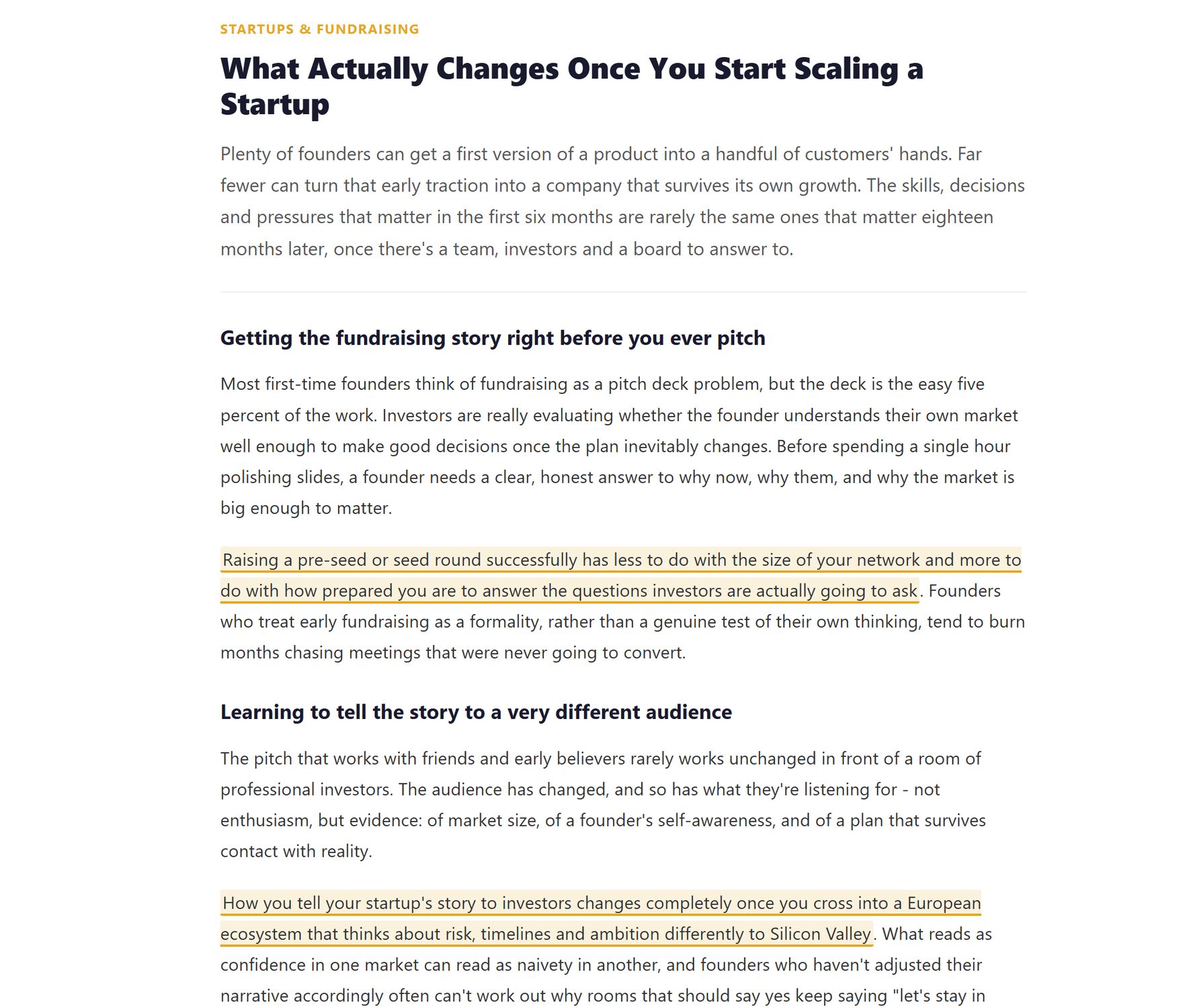

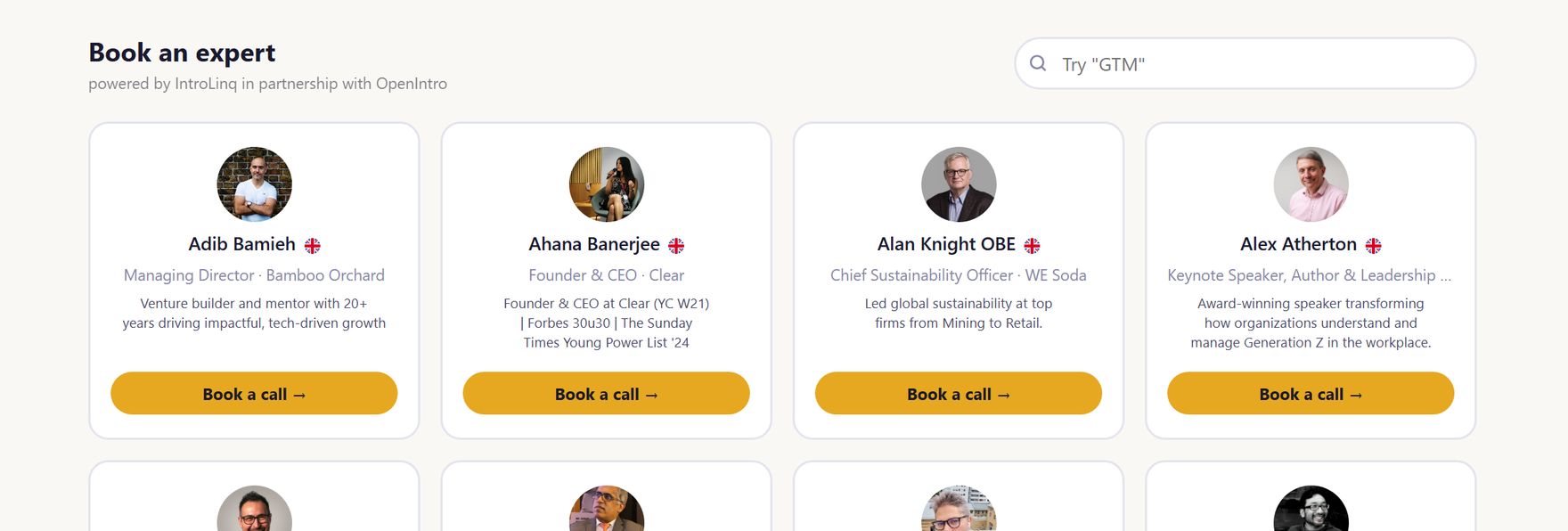
There is a fourth, the Expert Spotlight: one listing in a square tile, for a publisher who already has a 300x300 sidebar slot.
How it works
- Paste the URL of the page you want readers to land on. We read it and fill in the name, the image and a first draft of the facts. You correct anything we got wrong.
- Say what it is, and who it is for. Digital goods, physical goods, a person or service, a community, a course or an event - plus a category, and whatever limits it. A country, a profession, a price point: the things that make it right for some readers and wrong for others.
- Choose who can see it. Countries, by clicking a map. Which languages the article has to be in. And a date window, if it is an offer that ends or an event that stops being worth showing once it starts.
- See it before you pay. We show you your listing rendered in the real formats, as a reader would meet it. If it does not look right, leave it as a draft and pay nothing.
- Pay, and we review it. We email you within one business day, and it goes live as soon as it is approved - from the next page view, with nothing to install at your end.
What you control, and what you do not
Three parties get a say in where a listing shows, and they are deliberately separate. You choose where you are willing to appear. The publisher chooses what they are willing to carry. We decide what the reader actually needs.
- Yours: the facts, the category, the countries, the article languages, how long it runs, and switching it off.
- Ours: whether your listing is a genuine answer to what a given page's reader is trying to do.
- The publisher's: whether you appear on their site at all.
So we cannot promise you placements, and we do not sell them.
Publishers choose what appears on their own sites. Any of them can hide a single listing, switch off a whole partner, or switch off products altogether and run expert bookings only. That is the deal that makes them willing to carry recommendations at all, and it applies to us as much as to you.
What we can promise is that you see where your listing fits, on real pages, before you are asked for any money.
What you see once it is live
A dashboard, per listing, counting the three things that happen in order - daily, weekly or monthly. Known bot traffic is filtered out of all three, which is most of why these numbers are smaller, and worth more, than the ones you may be used to.
You also see the placement itself: which publisher, what the passage was about, and your card exactly as a reader meets it.
What it costs
One flat price per product, per month. No CPM, no bidding, no minimum spend, and nothing thrown in: list three products and you pay for three products.
Cancel any time. Your listings go dark; nothing is deleted. Switch them back on whenever you like.
If you want to be the only one in your category across a set of sites, ask us about exclusivity - it is not something the sign-up flow can sell you.
Questions
Is this advertising, or is it affiliate?
Both, depending on which plan you are on. The subscription is what gets your product listed and matched. If you have an affiliate programme we can earn commission through, we take that too - and charge you less for the listing because of it.
We split the commission we earn with the publisher whose page sent the reader. That is the whole reason they carry recommendations, and it is why we have no interest in showing your product to someone it does not suit.
Can I choose which sites I appear on?
No. You choose countries and article languages; you cannot pick publishers by name, and we cannot promise you a given site, because publishers decide what they carry.
If there is a site you specifically want to be on, email us rather than guessing at the targeting.
What stops you showing my product beside the wrong article?
The facts you give us are the only thing our matching reads, so the limits you put in them are the limits it works to. If you deliver only in the UK, say so, and readers elsewhere are not shown it.
We also write the description ourselves from those facts rather than letting you write it. A paying advertiser has every reason to describe a product broadly enough to match everything, and that is exactly what makes a recommendation worthless to the reader - and then to you.
How many readers will see it?
We will tell you, with the real figures, before you pay - and we will not estimate it on a public page. It depends entirely on what you sell and which articles it answers, and the number that matters is how many pages your product is genuinely the right answer for, not how many readers exist.
The sign-up flow shows you what we measure, and you can stop there without paying anything.
What can I list?
Digital goods, physical goods, a person or a service, a community, an online course, or an event. One listing is one thing, and the kind is fixed once the listing is created, because it decides which reader needs you can answer. Something genuinely different is a new listing.
Do I have to install anything?
No. Nothing touches your site. You give us a URL to send readers to, and that is the whole technical integration. On the affiliate plan, your tracking link goes in the same place.
Can I run a discount or a seasonal offer?
Yes. A listing can run between two dates and stops being shown after that. Useful for an offer that expires, or an event that is no longer worth recommending once it has started.
We publish our own content too. Can we do both?
Yes, and they are separate accounts doing separate things. Listing a product is this page. Running IntroLinq on your own articles and earning from it is IntroLinq for business, and that side is free.
List your product
The sign-up takes a URL and a few minutes, and it shows you your own listing rendered on real pages before it asks you for a card. If you would rather ask a human first, email hello@introlinq.com and tell us what you sell - we will tell you plainly whether we have the pages to match it.